
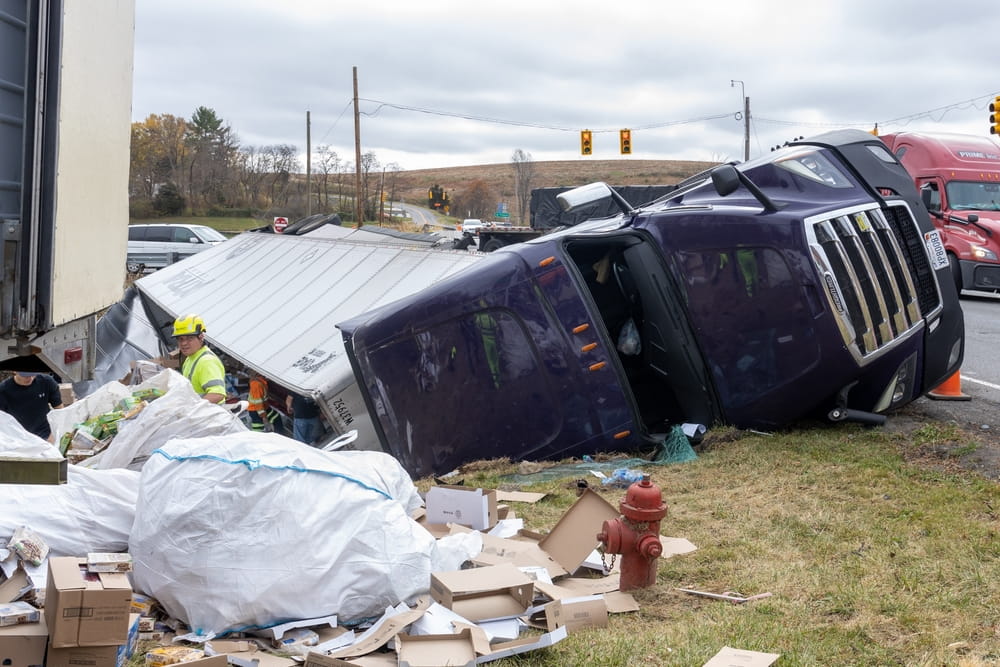
Truck accidents on busy highways in Seattle can be confusing and devastating.
In many cases, the crash happens so quickly that drivers, witnesses, and even investigators are left with incomplete information. Skid marks, vehicle damage, and road conditions tell part of the story, but they do not always explain exactly what happened in the seconds before impact. This is where black box data becomes extremely important. These digital systems, built into commercial trucks, record key driving information before and during a crash.
When reviewed carefully, they help rebuild the sequence of events in a clearer way. For many victims, understanding this data is also an important step when seeking truck accident legal representation in Seattle after a serious collision.
When a Truck Accident Investigation Begins After the Crash Scene Clears
The investigation does not end when the vehicles are removed from the road. In fact, it often begins after the scene is cleared and stabilized.
Investigators focus on preserving every available piece of evidence, both physical and digital. This includes photographs, witness statements, and onboard vehicle systems.
Early action is important because some data can be lost if it is not secured quickly. The first steps help ensure that critical information is not overwritten or damaged.
What “Black Box” Data Actually Means in Commercial Trucks
A “black box” in a truck is officially known as an event data recorder. It is a system designed to store information about how the vehicle was operating before a crash.
Unlike memory or witness accounts, this system records objective driving data. It helps show what the truck was doing in the moments leading up to impact.
These systems are now common in most commercial fleets and play an important role in accident analysis.
The Key Information Stored Inside Truck Data Systems
Vehicle Speed and Movement Before Impact
- One of the most important details recorded is vehicle speed. This data shows how fast the truck was moving before the collision.
- It can also show whether the speed changed suddenly, which may indicate braking or acceleration patterns.
Brake Usage and Reaction Timing
- Black box systems record when brakes were applied and how quickly the driver reacted.
- This timing helps investigators understand whether the driver had time to respond or if the situation developed too quickly to avoid impact.
Steering and Control Inputs
- The system also tracks steering movements and control adjustments.
- These details help show whether the driver attempted to change direction or maintain control before the crash occurred.
Why Black Box Data Is So Important in Truck Collisions
- Truck accidents often involve conflicting accounts. Drivers, witnesses, and companies may all describe events differently.
- Black box data provides an objective record that is not influenced by memory or perspective.
- This makes it one of the most reliable tools for understanding what happened in the final seconds before a collision.
How Investigators Combine Data With Physical Evidence
Road and Environmental Conditions
- Investigators also study road conditions, weather, and visibility at the time of the crash.
- Seattle highways can have rain, traffic congestion, and changing light conditions that all affect driving safety.
- These factors help place black box data into a real-world context.
Vehicle Damage Patterns
- Damage to the truck and other vehicles also provides important clues.
- The location and severity of impact help confirm the direction, speed, and force of the collision.
- When combined with digital data, this creates a more complete reconstruction.
When Multiple Parties Are Involved in a Truck Accident
- Truck accidents are rarely simple. Responsibility may involve several different parties.
- The driver may be one factor, but trucking companies, maintenance teams, and even manufacturers can also play a role.
- This complexity is one reason investigators rely heavily on recorded data rather than assumptions.
How Black Box Data Supports Insurance and Legal Evaluations
- Insurance companies use recorded data to understand how the crash occurred.
- Speed, braking, and steering information can influence how liability is assigned.
- When combined with other evidence, it helps support settlement discussions and claims evaluations.
In some cases, this information becomes central to determining fault and damages. It also plays an important role when individuals seek truck accident legal representation in Seattle to better understand their rights after a serious crash.
Challenges in Accessing and Preserving Truck Data
- Although black box data is valuable, it is not always easy to access.
- Some systems overwrite data after a short period of time if it is not preserved. This makes early investigation important.
- Legal procedures are often required to secure and analyze the data properly before it is lost or altered.
Why Reconstruction Matters in Severe Truck Collisions
- Reconstruction helps explain exactly how a crash happened step by step.
- It removes guesswork and replaces it with evidence-based analysis.
- This is especially important in serious accidents where injuries are severe or when multiple accounts conflict.
The Role of Legal Guidance in Interpreting Technical Evidence
- Black box data can be highly technical and difficult to understand without experience.
- Accident reconstruction experts and legal professionals often work together to interpret the findings.
- They connect technical details to real-world events and help explain responsibility in a clear way.
Conclusion
Black box data plays a crucial role in understanding major truck collisions in Seattle, WA. It provides clear, objective information that helps reconstruct events when other evidence is incomplete. When combined with physical clues from the crash scene, it creates a detailed picture of what happened. This process supports fair evaluation of responsibility and helps ensure that victims and families receive clarity after a serious accident.